What this means for you
- Who is affected
- Patients with appointments, tests or procedures in the services mentioned in the strike coverage.
- What this report covers
- The doctors' industrial-action dispute and the appointment disruptions reported in that edition.
- What to do next
- Confirm your own appointment with the hospital or health centre before changing plans. For urgent care, follow current health-service guidance rather than relying on a historical strike report.
On this page
Key takeaways
- The strike is about the national Estatuto Marco, the framework that governs public-health employment conditions.
- Minimum-service arrangements govern essential care; confirm the position for your own service.
- The biggest practical effect for patients is delayed non-urgent care: specialist appointments, routine consultations, diagnostic tests, and scheduled non-urgent surgery.
What Is Happening
By the end of April 2026, Madrid's regional health department was reporting postponed operations, consultations and tests during the doctors' strike. That does not establish the cause of every individual wait or cancellation.
The strike is not a one-day protest. It has been organized as rolling monthly stoppages, with one strike week per month. That makes the disruption less spectacular than a total shutdown, but more persistent for patients whose appointments fall into the affected weeks or into the backlog afterwards.
What The Strike Is About
The central dispute is the Estatuto Marco del personal estatutario de los servicios de salud. This national framework governs employment categories, pay scales, working hours, on-call duties, and rights for public-sector health workers. It covers doctors, nurses, and other staff across Spain's regional health services. The current framework dates from 2003 and has long been criticized by medical professional groups as outdated.
In late 2025 and early 2026, the Ministerio de Sanidad, led by Monica Garcia, negotiated a renewal of the Estatuto Marco. The major general public-sector unions, including CCOO, UGT, CSIF, and SATSE, accepted the agreement. Medical-specific unions rejected it.
Why Doctors Rejected The Deal
Medical unions including AMYTS in Madrid, SIME, APEMYF, and the national CESM argue that doctors and other facultativos should not be grouped into a single framework shared with all public-health categories. Their view is that medical training length, clinical responsibility, on-call burden, and working conditions require a separate statute.
Their core demand is a specific Estatuto Marco for doctors and other facultativos. In Spanish public-health language, facultativos includes physicians and other senior clinical professionals such as pharmacists, biologists, and specialists with university-level qualifications.
The Strike Calendar
The strike has been called as a rolling indefinite stoppage: one week of stoppages per month, repeated until either an agreement is reached or the unions change tactics.
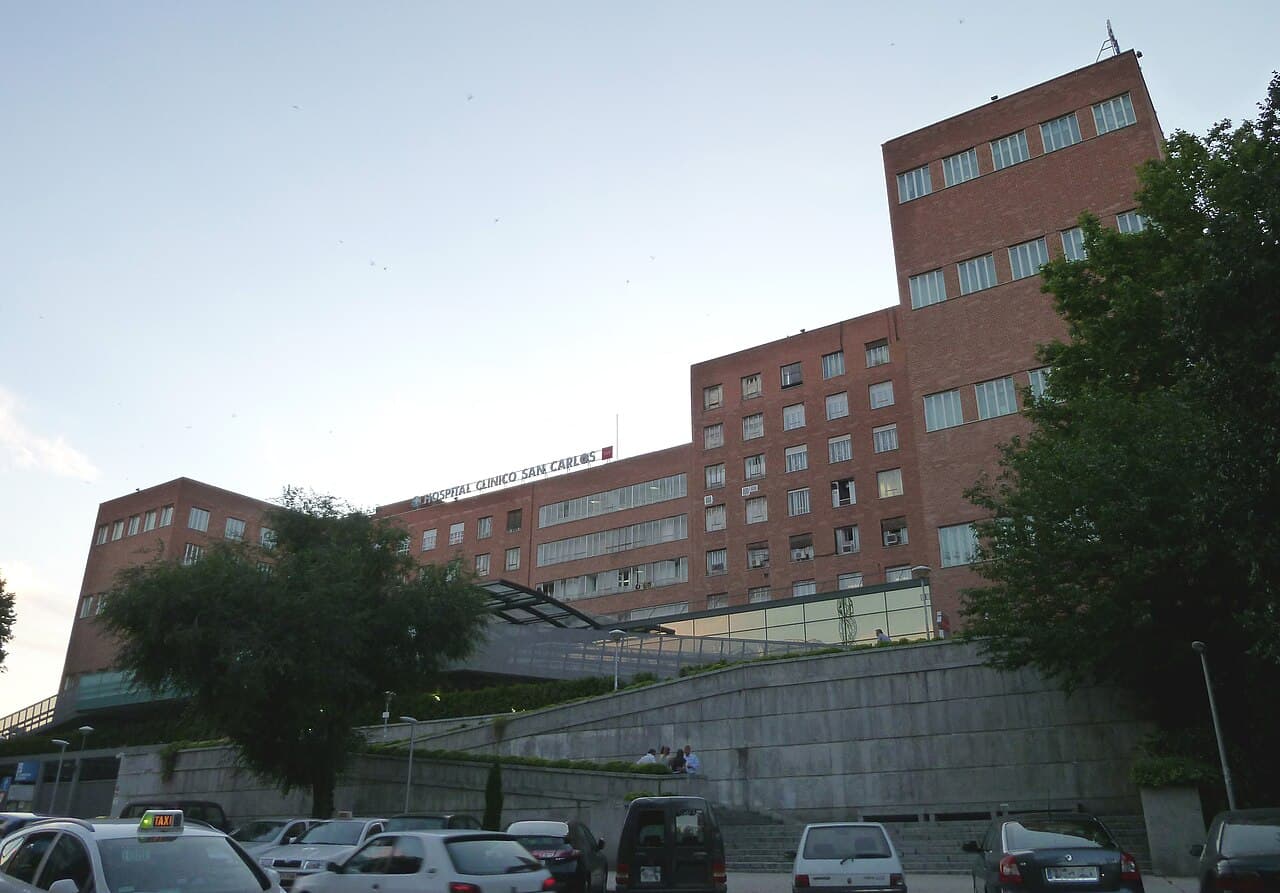
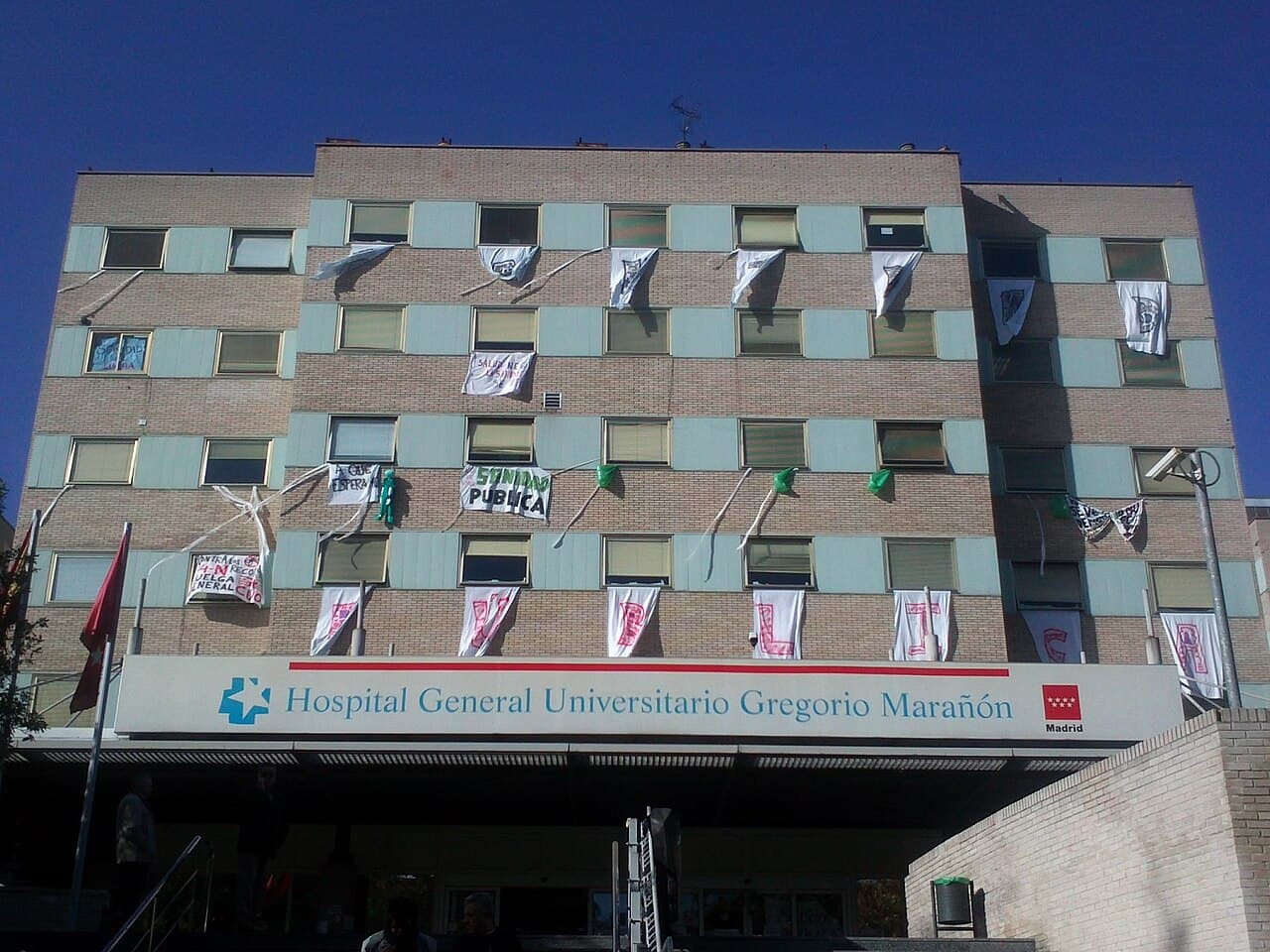
The published calendar is February 16-20, March 16-20, April 27-30, May 18-22, and June 15-19, 2026. The mobilization began with a major demonstration in Madrid on February 14, with around 5,000 doctors marching against the new Estatuto Marco. Strike weeks have also included concentrations outside major hospitals such as La Paz, La Princesa, Gregorio Maranon, and 12 de Octubre.
Why The March Agreement Did Not End It
On March 5, the Ministerio de Sanidad and the Foro de la Profesión Médica announced an agreement intended to keep dialogue open and avoid the strike. The ministry committed to incorporate medical demands during the parliamentary processing of the Estatuto Marco and to begin work on reforming the Ley de Ordenación de las Profesiones Sanitarias.
That appeared to reduce the conflict temporarily, but it did not satisfy the medical strike committee. The unions continued with the monthly strike calendar because they still want a distinct medical statute rather than amendments inside the broader shared framework.
Who Is Affected In Madrid
The strike is national, but participation varies by region. The relevant service for Madrid patients is SERMAS, the Servicio Madrileño de Salud.
The reporting covered public-health doctors and other facultativos in Madrid. Different hospital management arrangements do not by themselves establish whether an individual appointment was affected.
The Impact So Far
By late April 2026, Madrid's regional health department had reported 8,148 postponed surgeries, 167,114 cancelled outpatient consultations, and 17,321 suspended diagnostic tests since the broader strike wave began. That adds up to more than 192,000 affected healthcare actions in Madrid, with an estimated economic impact of 12.87 million euros.
The headline number matters, but the practical problem for patients is the rescheduling backlog. A cancelled appointment does not vanish; it has to be placed back into a calendar that was already tight. That means the effect of a strike week continues into the weeks and months after the stoppage.
Minimum Services And Patient Appointments
Essential healthcare is subject to servicios mínimos, or minimum-service arrangements. The exact order and staffing provisions matter: a general description of protected services is not a guarantee that a particular consultation or treatment will go ahead.
For appointments affected by this dispute, the useful step was to contact the hospital or centro de salud responsible for the booking, confirm whether it remained scheduled and ask about the replacement date if cancelled. For an urgent health problem, seek urgent care rather than waiting for a routine appointment.
Private Care And Registration
The national public-employment dispute did not establish that every private clinic or insurer would operate without disruption. Anyone considering private treatment needed to confirm availability, insurance authorisation and the actual consultation price directly.
Likewise, clinical strike action alone was not proof that every healthcare-registration channel was functioning normally. New arrivals should follow the responsible service's current registration instructions and check any closure or suspension notice.
Dates Still Announced At This Edition
As of 1 May, the published calendar still included May 18–22 and June 15–19, 2026. These dates record the announced schedule, not confirmation that each later stoppage occurred.
Sources
- Doctors' strike in Madrid: more than 192,000 healthcare actions suspended / El Diario de Madrid
- Doctors' strike: minimum services, reasons, dates, and patient impact / Demócrata
- Ministry of Health and the Foro de la Profesión Médica agreement / Ministerio de Sanidad
- Third week of the Madrid doctors' strike / Madrid On — Unavailable during the 2026-10-18 access check (HTTP 403); this is an access result, not a factual verdict.
- March 2026 Madrid doctors' strike / El Diario de Madrid
Spotted an outdated detail? Send the desk a correction.